English (US)
 Español
 Deutsch
 Français
 Português
 Türk
Türk
 中国的
中国的
 ภาษาไทย
 Malay
Malay
TL;DR:
Color contamination is one of the most common and costly issues in plastics processing, especially during color changeover or when switching from dark to light colors. This blog explains why contamination happens, how black specks form, and the most effective purging solutions to keep production lines running clean and efficient.
Readers will learn:
- Why color contamination and black specks occur during the production process
- How different forms of plastic affect color changeover efficiency
- Why switching from black plastic to light colors reveals even the smallest defects
- What to look for in a purging solution that can remove pigments, residue, and buildup
Color contamination is one of the most frustrating problems in plastics processing. Whether you’re trying to purge colors during a fast changeover or switching from black plastic to light colors, even a small amount of residue can threaten product quality. Black specks, streaks, haze, and color pollution all mean the same thing: contaminants in colored plastic that should not be there. And for many consumer products, the smallest defect can turn a finished part into costly scrap.
In this blog, we’ll explore why contamination happens, how different forms of plastic affect cleanup, and the best purging solutions to ensure clean, efficient color changeovers.
Why Color Contamination Happens
Every molding machine, extruder, or blow molder processes a different type of plastic—polypropylene, polyethylene, ABS, nylon, PET, and more. Each material behaves differently under heat and shear. Some melt quickly, others cling to metal surfaces, and some degrade if left sitting too long.
This creates several areas where contamination develops:
- Residue trapped in dead spots inside the barrel, screw, and hot runner channels
- Burnt material that forms black specks after a long run
- Color hang-up when switching from dark materials like black plastic to lighter shades
- Thermal degradation caused by processing at the wrong temperature
When you change plastic color, anything left behind from the previous run can show up in the next product. Light colors such as white, beige, and clear make this problem especially obvious.
The Challenge of Purging Light Colors
Switching from a dark to a light color is the ultimate test of an effective purging method. Even tiny pigment particles can remain stuck to metal surfaces inside the machine, causing streaks, specks, and discoloration.
Processors often report that:
- Light colors magnify every speck
- Some pigments cling more stubbornly, especially blues, reds, and blacks
- Color contamination remains visible long after the material change
In high-volume consumer products—caps, closures, toys, housewares, storage bins—consistency is crucial. A single streak can shut down a line.
Why Black Specks Are So Persistent
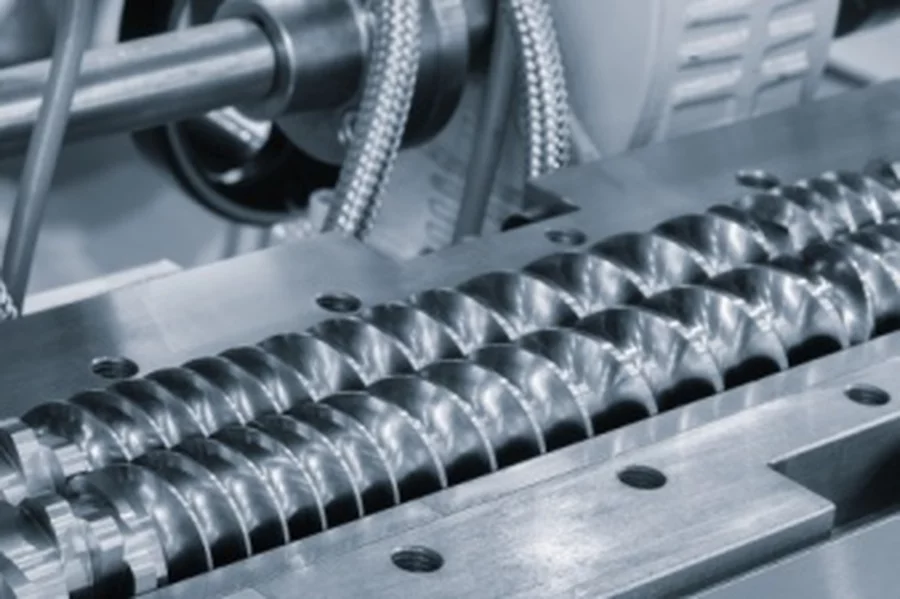
Black specks form when material overheats and carbonizes. Once carbon buildup occurs, it attaches tightly to the barrel and screw. When you start a new run, small flakes break off and appear in the molded part.
This is especially common in:
- Older equipment
- High-temperature processes
- Fast-cycling applications
- Thin-wall consumer packaging molding
Without proper purging, this contamination will keep resurfacing.
Effective Purging Solutions for Cleaner Changeovers
To truly purge colors and remove color pollution, you need more than virgin resin. A high-quality purging compound is designed to dislodge degraded material, scrub pigments from metal surfaces, and flush the system quickly.
The most effective purging solutions accomplish three things:
1. Deep Cleaning of Barrel & Screw
Mechanical action lifts pigments, gels, and carbon so they can be removed from the production process.
2. Fast Color Changeover
An efficient purge reduces the amount of scrap produced during transitions—critical when changing plastic color many times per shift.
3. Compatibility with Multiple Types of Plastic
A good purge works across multiple resins, reducing the risk of grabbing the wrong product and causing more contamination.
Protect Product Quality with a Strong Purging Strategy
No processor can afford contamination—especially manufacturers in the consumer products market where appearance matters. Whether you’re producing everyday goods, containers for consumer packaged goods, or any product requiring perfect color consistency, clean machines equal profitable production.
By using the right purging compound and following proper purging procedures, you can drastically reduce black specks, eliminate color contamination, and streamline every color changeover.
Clean machines create clean products. And in a competitive market, that’s everything.