English (US)
 Español
 Deutsch
 Français
 Português
 Türk
Türk
 中国的
中国的
 ภาษาไทย
 Malay
Malay
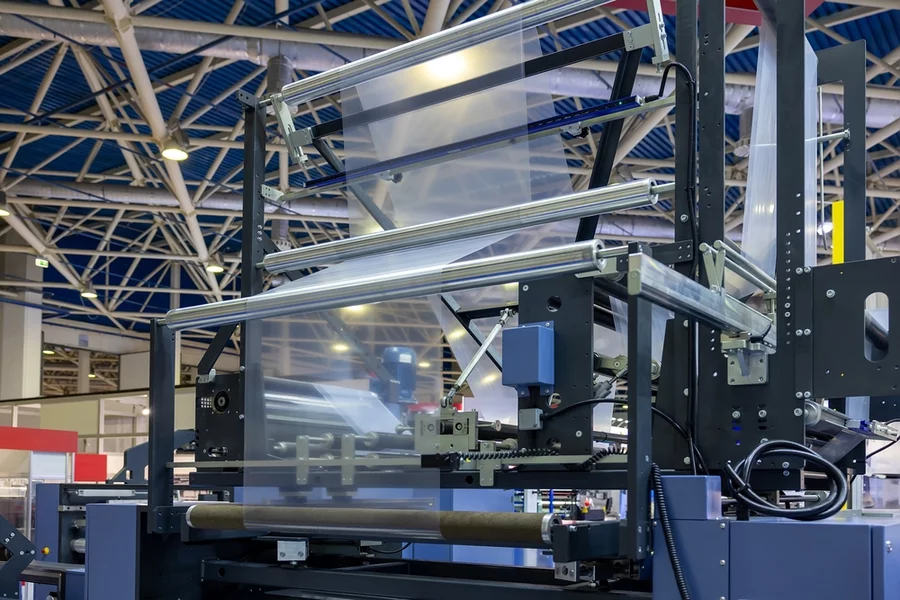
TL;DR: The blown extrusion film process demands clean equipment, stable processing conditions, and strong quality control to prevent gels, contamination, and costly production defects. This blog explains the most common causes of contamination and the maintenance practices that help manufacturers improve film quality, reduce waste, and maintain efficient production.
- Learn the primary causes of blown film extrusion defects, including resin degradation, contamination, and equipment buildup.
- Discover how routine blown film extrusion maintenance helps eliminate gels and black specks before they impact production.
- Understand why maintaining consistent film thickness and precise control is critical for product quality.
- Explore how modern control systems support effective quality control in blown film extrusion.
- See how proactive cleaning and purging improve performance in applications such as food packaging and specialty film production.
The success of any blown film extrusion process depends on consistency. Customers expect film that is clean, uniform, and free from defects. Unfortunately, contamination and gels remain two of the most common challenges in blown extrusion film production. Even small imperfections can result in rejected rolls, wasted material, production delays, and unhappy customers.
For manufacturers producing everything from industrial films to food packaging, maintaining clean equipment and effective process controls is essential. Understanding the causes of gels and contamination is the first step toward improving product quality and reducing waste.
What Are Gels in Blown Film Extrusion?
Gels are small imperfections that appear within the film structure. They are often caused by degraded resin, unmelted material, contamination, or buildup inside processing equipment. These defects can create weak spots, visual imperfections, and inconsistencies in the final product.
Gels are among the most common blown film extrusion defects because they can originate from multiple sources throughout the production line. Once contamination enters the system, it may continue appearing in production long after the original source is gone.
In applications such as food packaging, even minor contamination can create quality concerns and increase the risk of product rejection.
Common Sources of Contamination
Several factors contribute to contamination during the film extrusion process.
Resin Degradation
Resin that remains inside the extruder for extended periods can begin to degrade. Excessive heat exposure causes material to break down, creating carbonized particles that eventually enter the film.
Material Changeovers
Color and material transitions are frequent sources of contamination. Residual material left in the screw, barrel, adapter, or die can contaminate the next production run.
Equipment Buildup
Over time, deposits accumulate on internal metal surfaces. These deposits may remain hidden until they eventually break loose and appear as gels or black specks in the film.
Improper Shutdown Procedures
When production stops, residual resin remains inside the equipment. If that material sits at elevated temperatures too long, it can degrade and create contamination that appears during startup.
The Impact on Film Quality
Contamination affects much more than appearance.
Gels and defects can negatively impact:
- Film strength
- Seal integrity
- Optical clarity
- Surface appearance
- Product consistency
- Customer satisfaction
In many applications, maintaining consistent film thickness is critical. Contamination can interfere with material flow, causing fluctuations that affect overall product performance.
Manufacturers working in packaging, agricultural films, and specialty applications often face strict quality standards. Even small defects may force operators to scrap large amounts of material.
Why Quality Control Matters
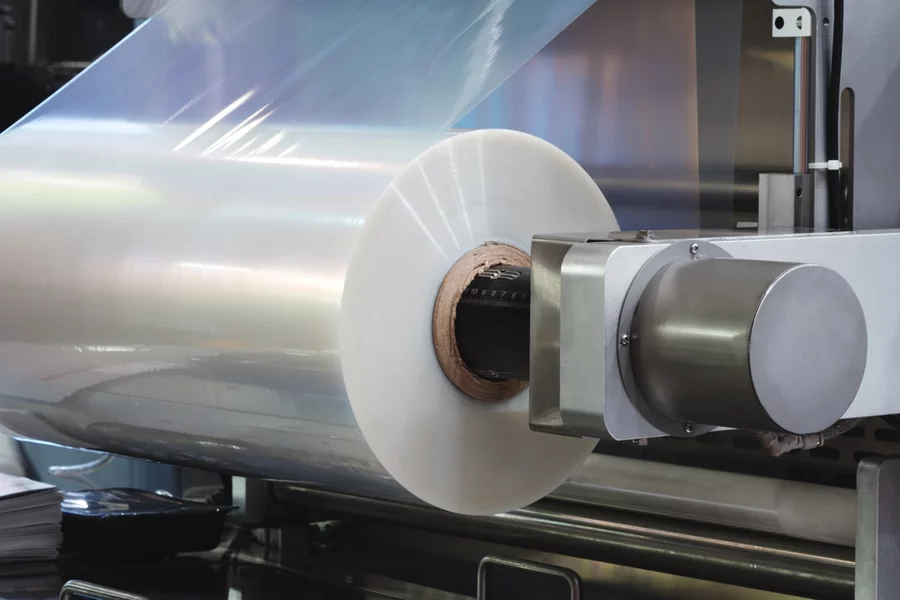
Strong quality control in blown film extrusion begins long before defects appear in the finished product.
Successful processors monitor:
- Resin quality
- Processing temperatures
- Extruder performance
- Die conditions
- Material flow
- Bubble stability
Modern control systems provide valuable insight into process performance and help operators identify potential issues before contamination becomes severe.
By combining proper maintenance with effective monitoring, manufacturers can maintain the precise control needed to consistently produce high-quality film.
Blown Film Extrusion Maintenance Best Practices
Effective blown film extrusion maintenance plays a major role in contamination prevention.
Maintain Clean Equipment
Regular cleaning prevents material buildup from accumulating inside the screw, barrel, adapters, and dies.
Monitor Processing Temperatures
Running materials above recommended temperature ranges increases the risk of degradation and contamination.
Follow Proper Startup and Shutdown Procedures
Consistent procedures help prevent carbon formation and reduce contamination during production restarts.
Inspect Dies and Flow Paths
Even small accumulations inside dies can affect flow patterns and create defects throughout the film structure.
Address Problems Early
If operators begin making unusual machine adjustments to maintain production, contamination may already be developing. Investigating these issues early often prevents larger problems later.
The Role of Purging During Production
One of the most effective ways to eliminate contamination is through routine purging.
Purging helps remove:
- Degraded resin
- Carbon buildup
- Residual colors
- Material contamination
- Deposits trapped in low-flow areas
Regular purging keeps equipment cleaner and reduces the likelihood of gels entering the production stream.
Many manufacturers only purge during material changes. However, preventive purging schedules can significantly improve long-term process stability, particularly in high-volume blown extrusion operations.
Maintaining Precise Control Throughout Production
The most successful film manufacturers focus on consistency.
Maintaining precise control over every aspect of the process helps minimize contamination risks and improve overall performance.
This includes:
- Stable temperatures
- Consistent material handling
- Clean processing equipment
- Effective maintenance programs
- Reliable quality control procedures
Combined with advanced control systems, these practices help operators quickly identify process variations before they affect product quality.
The Bottom Line
Gels and contamination remain persistent challenges in the blown film extrusion process, but they are not unavoidable. Through proper equipment maintenance, effective purging, careful monitoring, and strong quality control, manufacturers can significantly reduce defects and improve production efficiency.
For companies producing food packaging and other demanding film products, eliminating contamination is about more than appearance. It protects product performance, reduces waste, and helps maintain customer confidence.
By investing in proactive blown film extrusion maintenance and maintaining precise control throughout the film extrusion process, manufacturers can minimize blown film extrusion defects, improve consistency, and keep production running at peak performance.